Deer Hunting SVG, Hunting SVG
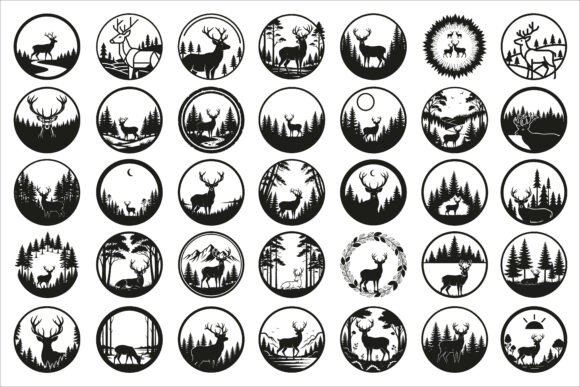
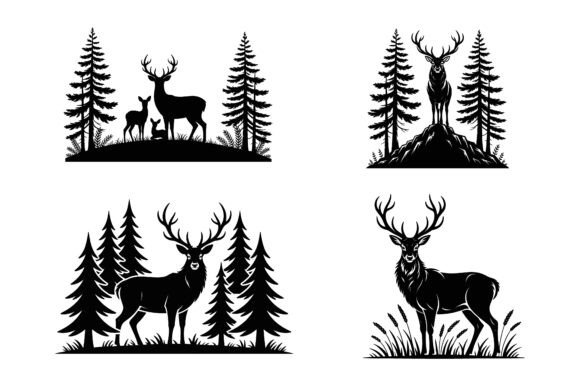
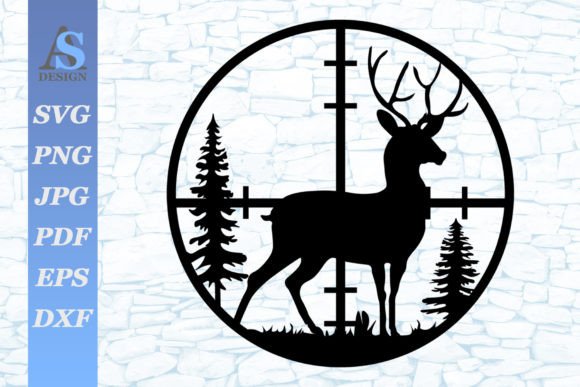
As someone who’s stitched hundreds of custom projects—from rustic nursery pillows to boutique aprons and Etsy-ready embroidered patches—I opened Deer Hunting SVG, Hunting SVG expecting a clean, evocative silhouette. What I found was exactly that: a hand-drawn, black-and-white woodland scene built for quiet confidence, not loud decoration. It’s not a cartoonish buck or a hyper-realistic trophy shot—it’s a poised, mid-stride deer in profile, nestled among subtle trees and soft forest contours, with just the faintest suggestion of a rifle stock tucked into the composition. The “Nishan” reference (likely nodding to symbolic mark or sign) adds a layer of intention—not just illustration, but emblem.
A Tote Bag That Feels Like a Story, Not a Sticker
Last week, I used Deer Hunting SVG, Hunting SVG on a natural canvas tote for a small outdoor gear shop’s holiday launch. No text. No border. Just the design centered at 4.25" wide, stitched in matte charcoal thread on unbleached cotton. The result landed perfectly: grounded, seasonal, and unmistakably handmade. Customers didn’t just see “hunting”—they saw atmosphere. That’s the strength of this file. Its hand-drawn quality reads as intentional craftsmanship, not clipart. For craft business owners and Etsy sellers, that nuance builds trust. A buyer choosing this for a personalized gift—say, a father-son camping tote or a hunter’s birthday pillow cover—doesn’t want generic. They want resonance. And this delivers it.
Where It Shines (and Where It Asks for Care)
Deer Hunting SVG, Hunting SVG works beautifully on stable, medium-weight fabrics: canvas totes, twill caps, linen tea towels, and midweight sweatshirts. Its silhouette-based structure means minimal fill stitch density—ideal for breathable embroidery that won’t stiffen a baby onesie or nursery pillow cover. I ran it on a lightweight cotton poplin baby bib (with tear-away + cutaway stabilizer combo), and the clean lines held up without puckering—even at 3.5". That said, avoid pushing it too small. Below 2.75", the delicate antler tips and tree-line details start to blur in stitch. If you’re planning a cap front or curved hat brim, test hoop placement first—the design’s horizontal emphasis means it needs a flat-ish surface to read clearly.
On dark fabric? Excellent contrast, especially with light ecru or oatmeal thread. On light fabric? Deep charcoal or black thread gives it weight without harshness. Skip pastel threads unless you’re going for deliberate softness (e.g., a woodland-themed baby blanket). And while the file is labeled “vector,” remember: this is an embroidery file interpretation—not a scalable graphic for print. Always convert and digitize thoughtfully if you’re adapting it for applique design or satin-stitch outlining.
Real Design Notes You’ll Actually Use
- Test before you commit: Run a sample on scrap fabric matching your final product’s weight and stretch. That forest texture reads differently on fleece vs. duck cloth.
- Stabilizer matters more than you think: This isn’t a dense fill-stitch monster, but the fine branches and deer outline still need support—especially on knit sweatshirts or textured tea towels. Medium-weight cutaway is my go-to for apparel; tear-away for stable linens.
- Check corner clarity: The lower-left tree cluster tapers into fine, tapered strokes. Zoom in on your embroidery software—make sure those don’t collapse into a single running stitch line at small sizes.
- Mock it in black and white: Since the original is monochrome, preview your finished product in grayscale. Does the deer stand out? Do the trees recede just enough? If it flattens into a blob, adjust stitch density or simplify minor elements.
- Licensing check is non-negotiable: This is listed as a Graphics product, not a commercial-use embroidery file. If you plan to sell finished embroidered patches or pre-made hunting-themed apparel, verify usage rights before listing on Etsy or wholesale channels.
More Than a Seasonal Gimmick—It’s a Brand Anchor
I’ve seen dozens of “hunting” designs cycle through craft marketplaces—many overworked, overly literal, or stylistically dated. Deer Hunting SVG, Hunting SVG avoids all that. Its restraint makes it versatile across audiences: a minimalist coffee shop apron for a local outfitter, a subtle pocket embroidery on a flannel shirt, even a refined holiday ornament for a cabin rental business. It doesn’t scream “hunt”—it whispers “wilderness.” That subtlety elevates handmade product perception. When customers see this on a custom-embroidered kitchen towel or a personalized gift box, they register care, not cliché.
For digital product sellers, this is also strong mockup material. Paired with warm wood textures or muted forest palettes, it creates compelling printable mockups for your Etsy listings—no need for flashy effects. Its black-and-white foundation means it adapts cleanly to branding kits, social banners, and even simple packaging stamps.
Final Thought: Know What It Is—and Isn’t
This isn’t a multi-layered applique design with color guides. It’s not built for photorealism or tiny lettering integration. It’s a focused, atmospheric silhouette—designed for clarity, not complexity. That’s its power. Used well, Deer Hunting SVG, Hunting SVG becomes part of a cohesive story: the quiet pride of a season, the hush of early woods, the dignity of wild life rendered with hand-drawn honesty. Whether you’re stitching for a client, building a craft business catalog, or creating a one-of-a-kind personalized gift, treat it like the intentional design asset it is—not just another hunting SVG. Test it. Respect its scale. Let its simplicity do the talking.